Tuesday, October 27, 2026
Trivia of the Day
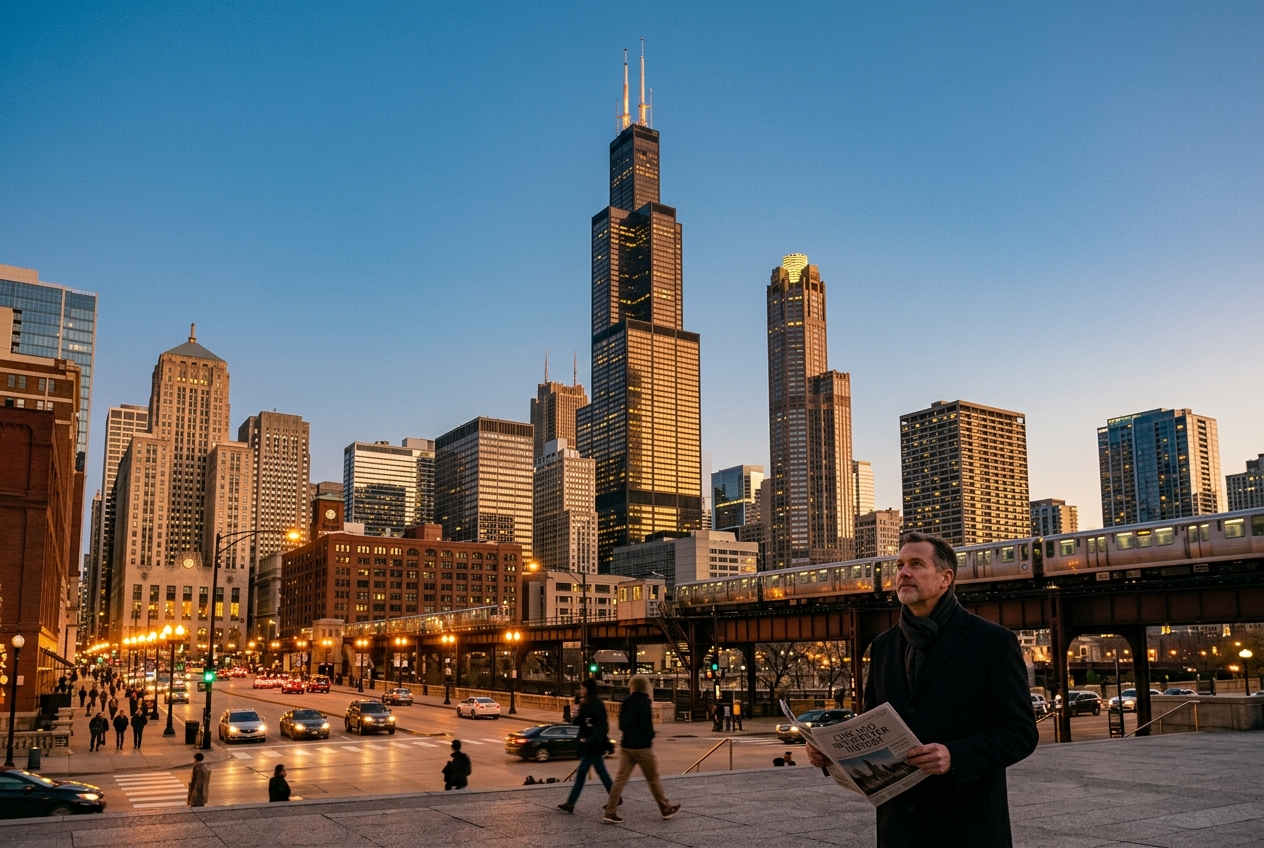
What did Sears lose in 2009 despite having paid nothing to acquire it in the first place?
- Sears Tower naming rights loss
- Kmart distribution center leases
- Craftsman trademark registration
- Lands' End catalog mailing lists
Answer: Sears Tower naming rights loss — Sears never paid a dime for naming rights because it was the building's original anchor tenant and co-developer in 1973.
The Free Ride Ends
In 2009, London-based insurance broker Willis Group Holdings bought the naming rights to Chicago's tallest building for roughly $14 million over ten years, and the 110-story tower officially became Willis Tower on July 16. Sears had occupied the building as anchor tenant since its 1973 opening, when the retailer and its development partners simply named the skyscraper after the company without any formal naming-rights transaction. For thirty-six years, Sears enjoyed one of the most valuable corporate nameplates in American architecture entirely free, a relic of an era when buildings were named for their principal occupants rather than the highest bidder. By 2009, Sears had vacated the tower entirely, consolidating operations in suburban Hoffman Estates, and building owner American Landmark Properties saw an opportunity to monetize what had always been an informal arrangement. The Willis deal marked the first time the building carried a purchased name rather than an inherited one.
How the Original Deal Worked
Sears didn't buy naming rights in 1973 because the concept barely existed outside sports stadiums. The retailer signed a ninety-nine-year lease for the lower floors and became the anchor tenant, and developer Sears Tower Joint Venture—comprising Sears and outside investors—simply adopted the tenant's name as the building's official designation. Sears occupied roughly 350,000 square feet at opening, making it the dominant presence in a 4.5-million-square-foot complex designed by Skidmore, Owings & Merrill. The bundled-tube structural design by engineer Fazlur Rahman Khan allowed the tower to rise 1,450 feet, surpassing the World Trade Center as the world's tallest building. Sears never negotiated naming exclusivity or duration because no one imagined the company would ever leave or that building names would become tradable assets. The arrangement was so informal that when Sears began shrinking its footprint in the 1980s and 1990s, no contract governed what happened to the name. By 1992, Sears occupied just 7 percent of the building, yet the name persisted purely by custom and the building's iconic status.
The Human Cost of a Name Change
Chicagoans revolted against "Willis Tower" with a ferocity that surprised building management. Local media ran stories about residents refusing to use the new name, and a Facebook group protesting the change gathered tens of thousands of members within days. The city's emotional attachment stemmed from the tower's role as a symbol of Chicago's corporate might during the Sears, Roebuck catalog empire's peak, when the retailer was the world's largest by revenue. Generations had grown up calling it Sears Tower, and the name Willis—unknown to most Americans—felt like a foreign imposition on civic identity. Building signage changed gradually, but cab drivers, tour guides, and locals continued saying "Sears Tower" for years, and many still do today. Willis Group executives initially underestimated the backlash, believing the prestige of occupying Chicago's tallest building would outweigh nostalgia. The company eventually leaned into the controversy with humorous marketing, but the resistance highlighted how corporate naming rights collide with public memory when a building becomes part of a city's identity independent of any tenant.
Why Naming Rights Became the New Normal
The Willis deal arrived during a boom in selling building names that transformed corporate real estate across America. By 2009, naming rights had evolved from a sports-venue phenomenon into a standard revenue stream for office towers, airports, and transit stations, driven by owners seeking to offset rising operating costs and tenants chasing brand visibility. Sears Tower's free ride ended because American Landmark Properties, which bought the building in 2004 for $840 million, needed to maximize every income source during the financial crisis. The $14 million Willis paid over ten years represented pure profit on an asset Sears had essentially donated through its original tenancy. Today, nearly every major skyscraper built or renovated in the past two decades carries a purchased name—JPMorgan Chase Tower, Salesforce Tower, Comcast Center—turning skylines into vertical billboards. Sears Tower's conversion to Willis Tower marked the moment when even legacy buildings with culturally embedded names became fair game for rebranding, a shift that prioritized landlord revenue over historical continuity and public sentiment.
What most people get wrong
Many assume Sears sold the naming rights in 2009 to raise cash during its decline, but the retailer had no rights to sell—it had vacated the building entirely and never owned the name as a contractual asset.
Sources & further reading
Word of the Day
anchor tenant noun · ANG-kur TEN-uhnt
The primary or largest tenant in a commercial property, whose presence attracts other tenants and lends credibility or stability to the development.
“The mall developer refused to break ground until securing an anchor tenant, knowing smaller retailers would only sign leases once a major department store committed.”
Joke of the Day
Why did the Chicago cabbie refuse to learn the new building name in 2009?
He figured fourteen million dollars wasn't enough to override forty years of muscle memory—and his tip jar agreed.
This Day in History
1986 — The Big Bang deregulation came into effect on the London Stock Exchange on October 27, eliminating fixed commissions and allowing foreign firms to own British brokers. The reforms triggered massive consolidation as American banks bought up venerable London houses, transformed trading floors into electronic networks, and ended the gentleman's club era of face-to-face deals. Within five years, most independent British brokerages had vanished into global investment banks.
Enjoyed this issue?
Get the next one free, every morning.
More from Get Rich Slower