Friday, October 9, 2026
Trivia of the Day
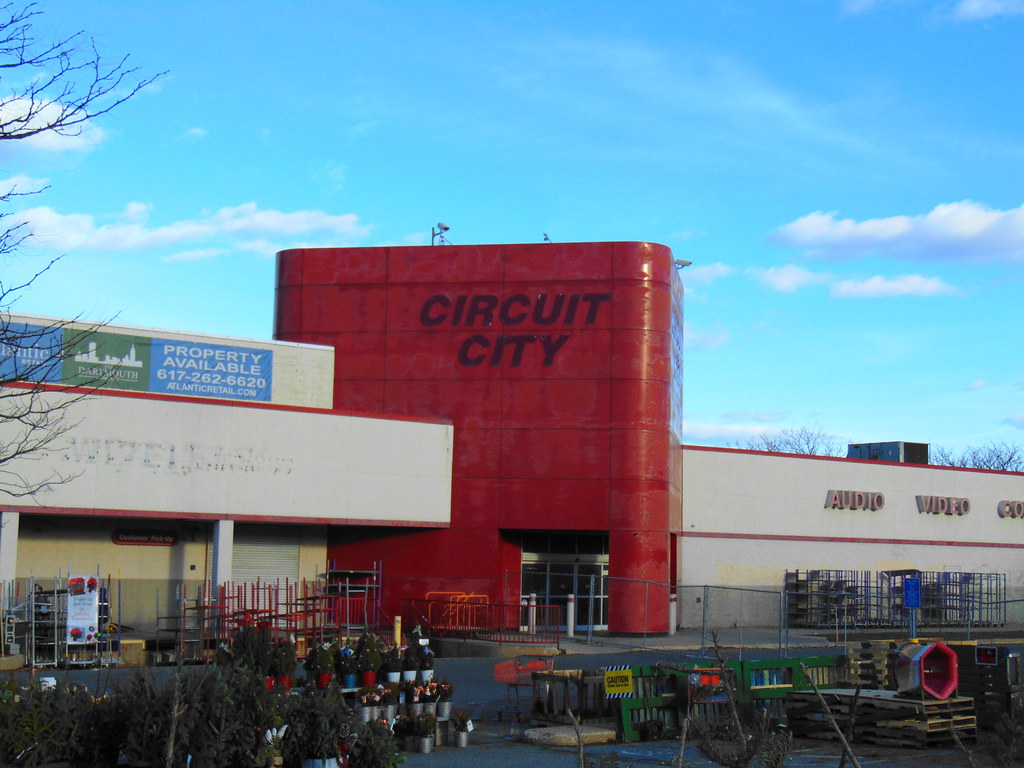
What electronics retailer fired 3,400 of its highest-paid sales staff in 2007 to cut costs, then filed for bankruptcy 20 months later?
- Best Buy
- CompUSA
- Circuit City
- RadioShack
Answer: Circuit City — Circuit City's 2007 layoffs saved an estimated $130 million annually but gutted the floor expertise that had made its stores destinations for big-ticket purchases.
The Layoff Heard Round Retail
On March 28, 2007, Circuit City announced it was terminating 3,400 store employees—roughly 8 percent of its workforce—because they earned "well above the market-based salary range for their role." These weren't underperformers. They were the company's most experienced salespeople, many with 5–10 years of tenure, who had earned raises through merit and longevity. CEO Philip Schoonover framed the cuts as necessary to remain competitive with rivals like Best Buy.
The fired workers could reapply after 10 weeks, but only at significantly lower starting wages. Wall Street analysts immediately questioned the logic. Morgan Keegan downgraded Circuit City stock, noting the move would "alienate customers and demoralize remaining staff." The company expected to save $110 million annually, but the human cost was steep: experienced employees who knew products, built customer relationships, and drove the extended warranty sales that generated Circuit City's highest margins.
The Downward Spiral Accelerates
Replacement hires lacked product knowledge and couldn't match the departed employees' sales expertise. Customer satisfaction scores plummeted throughout 2007 and 2008. Same-store sales dropped 8.4 percent in Q4 2007, far worse than the 1.9 percent decline at Best Buy. The company's Firedog tech support service, launched in 2006 to compete with Best Buy's Geek Squad, struggled without knowledgeable staff to promote it.
Meanwhile, the broader economy deteriorated. The housing market collapsed, credit markets froze, and consumer electronics sales weakened as the Great Recession took hold. Circuit City's stock, which traded at $18 before the layoffs, fell below $2 by September 2008. Banks tightened credit lines precisely when Circuit City needed capital to stock shelves for the crucial holiday season.
Bankruptcy and Liquidation
On November 10, 2008—exactly 20 months after the mass layoffs—Circuit City filed Chapter 11 bankruptcy. The company listed $3.4 billion in assets against $2.3 billion in liabilities, but couldn't secure the debtor-in-financing needed to reorganize. Acting CEO James Marcum cited "unprecedented economic headwinds," but industry observers pointed to self-inflicted wounds, particularly the 2007 workforce decision that destroyed institutional knowledge and customer loyalty.
Circuit City attempted to find a buyer through early 2009. Blockbuster offered $1 billion in February but withdrew when financing fell through. On January 16, 2009, Circuit City announced liquidation. All 567 remaining U.S. stores closed by March 2009, eliminating 34,000 jobs. Founded in 1949 as Wards Company, the Richmond, Virginia retailer had once been America's second-largest electronics chain with $12 billion in annual revenue.
Legacy and Lessons for Modern Business
Circuit City's collapse became a Harvard Business School case study in strategic failure. Professor Clayton Christensen cited it as an example of "bad profit"—short-term cost cuts that destroy long-term value creation. The layoffs saved money on paper but gutted the company's competitive advantage at precisely the moment Best Buy was investing in employee training and Amazon was building its electronics marketplace.
The Circuit City story resonates in today's economy as companies face pressure to cut costs amid inflation and recession fears. In 2022–2023, tech firms including Meta, Amazon, and Google laid off tens of thousands, prompting debates about whether they were repeating Circuit City's mistake or making necessary adjustments. The distinction matters: Circuit City specifically targeted its best performers to save money, while modern layoffs have largely focused on redundancy elimination. Still, the central lesson endures—workforce decisions that prioritize immediate savings over customer experience and institutional knowledge carry existential risks that may not appear on quarterly reports until it's too late.
What most people get wrong
Most people assume Circuit City failed because it couldn't compete with Best Buy's prices or Amazon's convenience, but the company was still profitable when it made the 2007 cuts—the self-inflicted wound to customer service accelerated a decline that might have been manageable.
Sources & further reading
Word of the Day
disintermediation noun · dis-in-tur-mee-dee-AY-shun
The removal of intermediaries from a supply chain or distribution process, allowing producers to sell directly to consumers.
“Dell's 1990s boom was pure disintermediation—build-to-order PCs shipped from Texas, no retail markup, no CompUSA taking a cut.”
Joke of the Day
Why did the Circuit City CFO refuse to play Jenga after March 2007?
Every time someone pulled out the most experienced pieces, the whole thing collapsed twenty months later.
This Day in History
2007 — On October 9, 2007, Countrywide Financial announced it would eliminate 12,000 jobs—roughly 20 percent of its workforce—as subprime mortgage defaults accelerated. The lender had originated $1.5 trillion in loans since 2000 and would be acquired by Bank of America for $4 billion five months later, a 75 percent discount from its 2007 peak valuation.
Enjoyed this issue?
Get the next one free, every morning.
More from Get Rich Slower